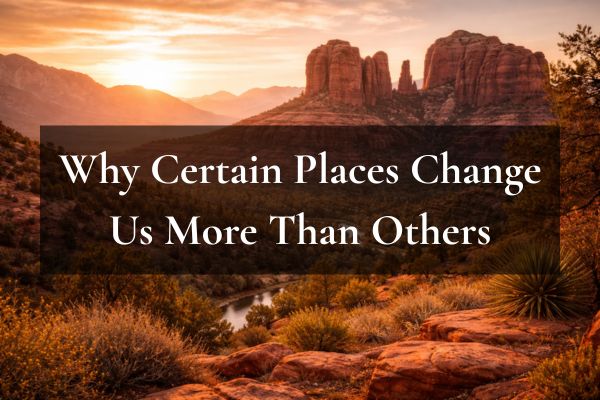
Why Certain Places Change Us More Than Others
Not all travel experiences leave the same impression.
Some trips provide relaxation for a few days before life resumes its normal pace. Others remain memorable for years because something deeper shifted during the experience.
The difference often lies in the environment and how it interacts with the nervous system and attention.
Certain places have a unique capacity to slow mental rhythms, heighten awareness, and create the conditions where reflection naturally occurs.
Understanding why this happens can transform the way people approach travel.
The Role of Environment in Human Experience
Human perception is deeply influenced by surroundings.
Urban environments often require constant mental filtering. Traffic, notifications, noise, and visual complexity compete for attention throughout the day.
Over time, this continuous stimulation keeps the brain operating in a state of heightened alertness.
Natural environments tend to produce the opposite effect.
Open landscapes, forests, mountains, and coastlines reduce the number of stimuli the brain must process. The mind shifts away from rapid decision-making toward observation and reflection.
This shift alone can dramatically change how someone experiences a place.
The Psychology of Awe
Researchers studying human perception have identified a phenomenon known as awe.
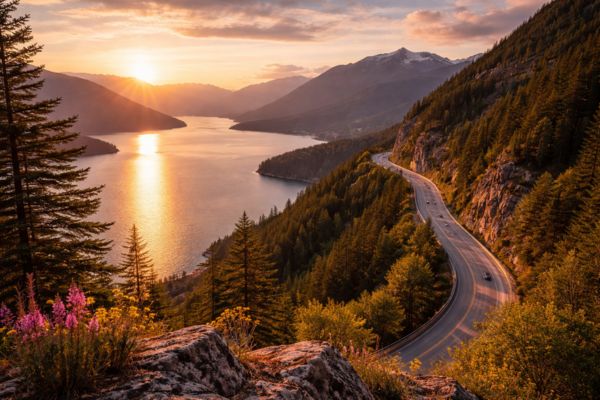
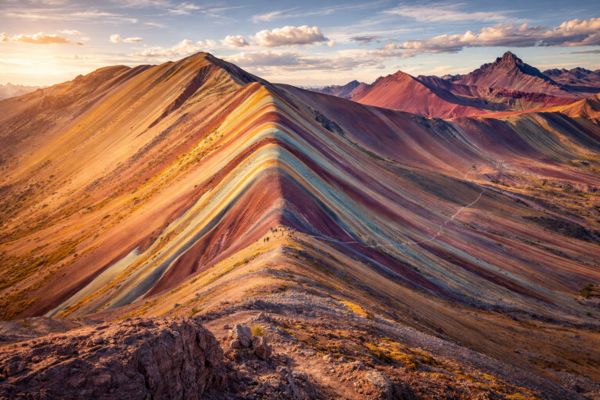
Awe occurs when individuals encounter something larger than their usual frame of reference, such as expansive landscapes or powerful natural formations.
Moments of awe can temporarily quiet the mind’s constant evaluation process.
Instead of focusing on tasks and responsibilities, attention expands outward toward the environment itself.
This experience often produces feelings of clarity, humility, and renewed perspective.
It is one reason travelers frequently report feeling mentally refreshed after spending time in dramatic natural settings.
Slowing the Internal Clock
Another reason certain places feel transformative is that they subtly alter our perception of time.
In high-pressure environments, attention is constantly directed toward the next task. Time begins to feel compressed and urgent.
When individuals step into slower environments, the nervous system begins to regulate and attention expands.
Minutes feel longer. Observations become richer.
People often describe this sensation as finally having space to think again.
Designing Travel With Intention
The places that create lasting impact are rarely accidental.
They tend to combine three elements:
A calming natural environment
Distance from daily routines
Space for reflection and restoration
When these elements come together, travel shifts from simple recreation into something more meaningful.
Rather than escaping life, individuals gain perspective on it.
Experiences That Stay With Us
Many people remember specific destinations not because of luxury amenities or popular attractions, but because of how they felt while they were there.
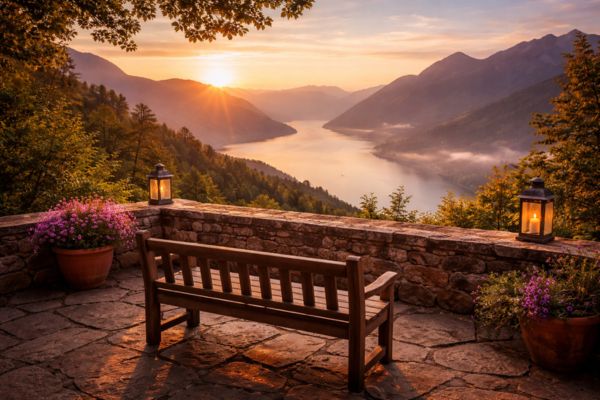
A quiet sunrise over water.
A mountain trail that opened to a vast horizon.
An evening conversation in a peaceful setting.
These moments often remain vivid because the nervous system had the opportunity to settle.
When that happens, the mind becomes more receptive to insight and reflection.
Travel, in this sense, becomes more than movement between locations.
It becomes an experience that changes how we see the world—and sometimes ourselves.
